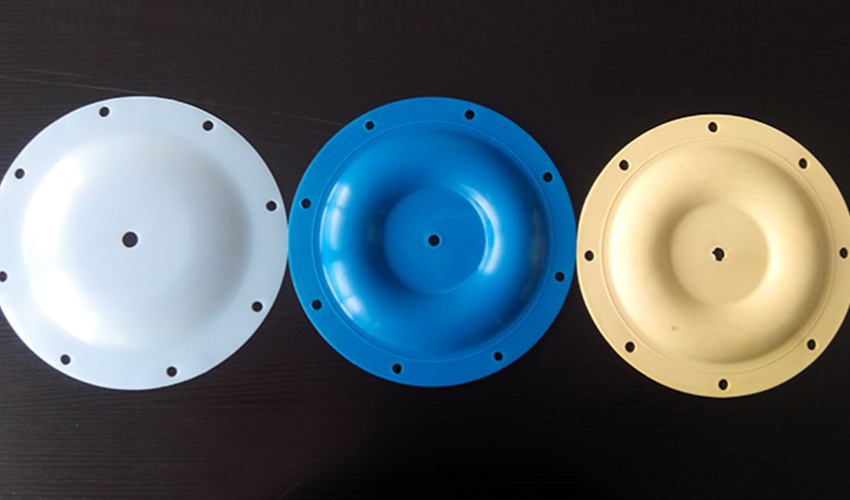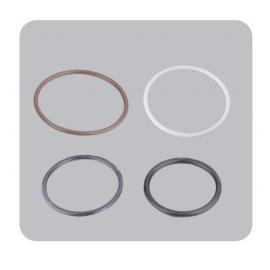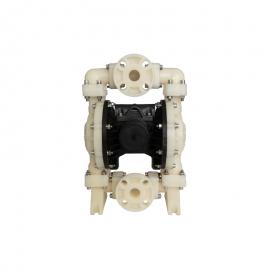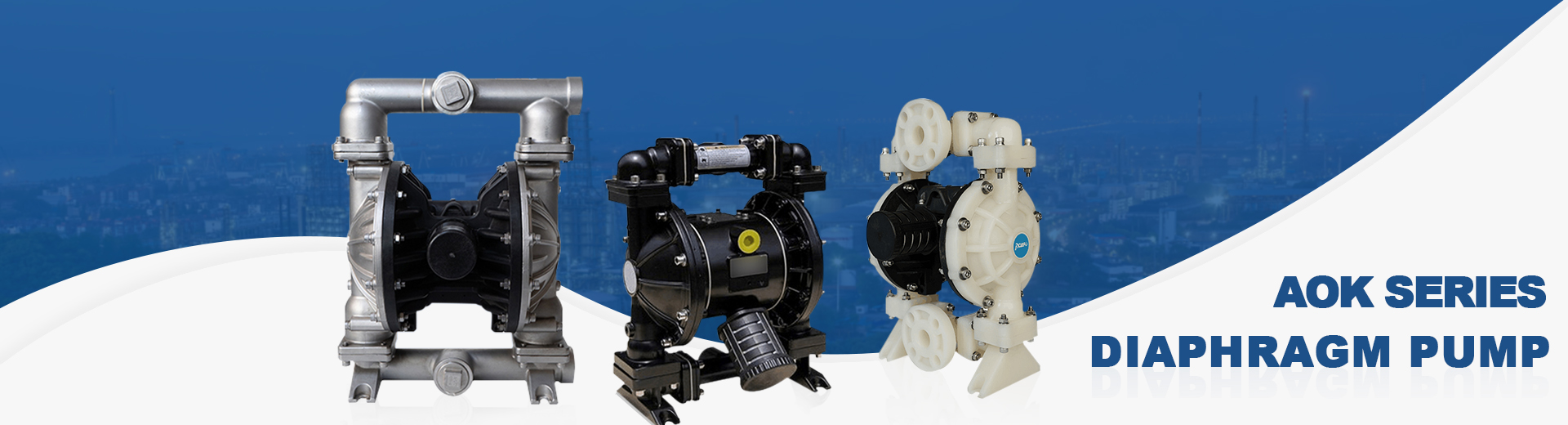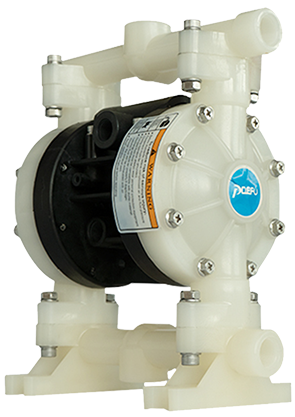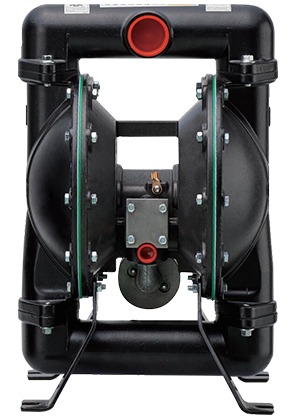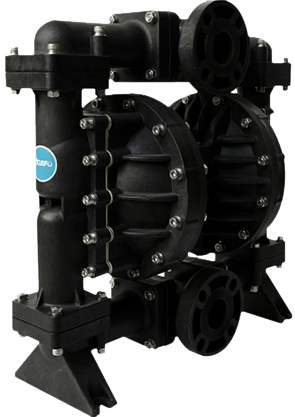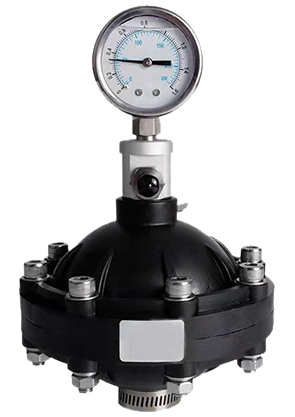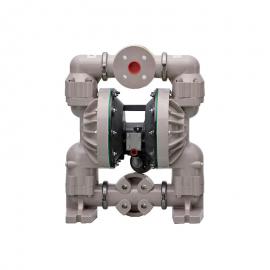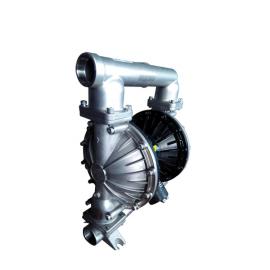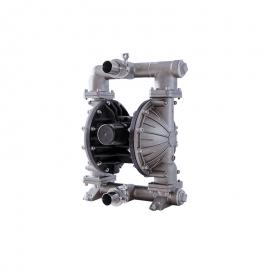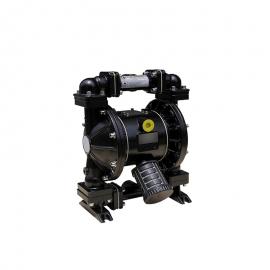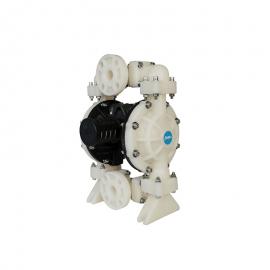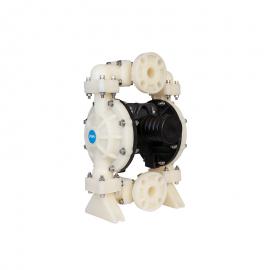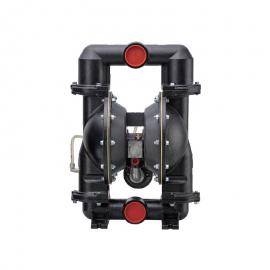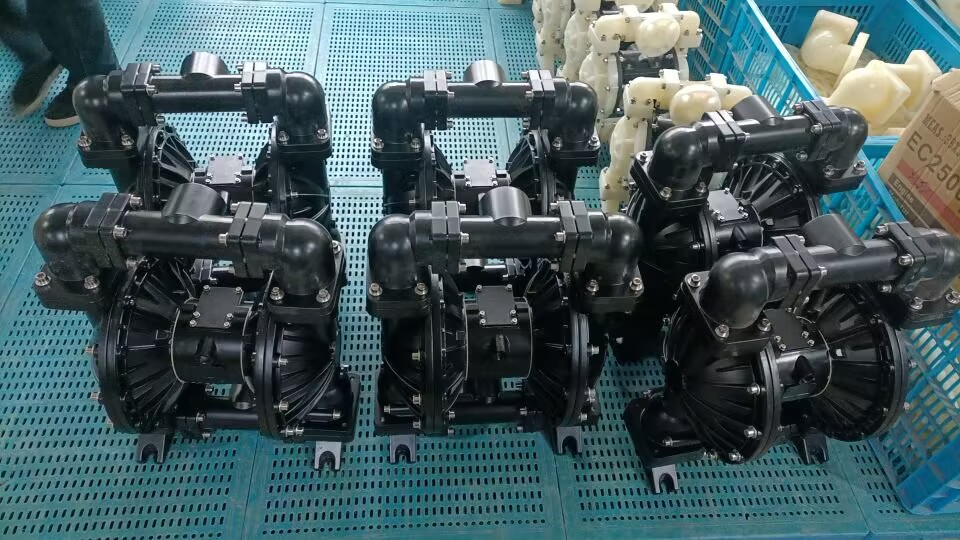

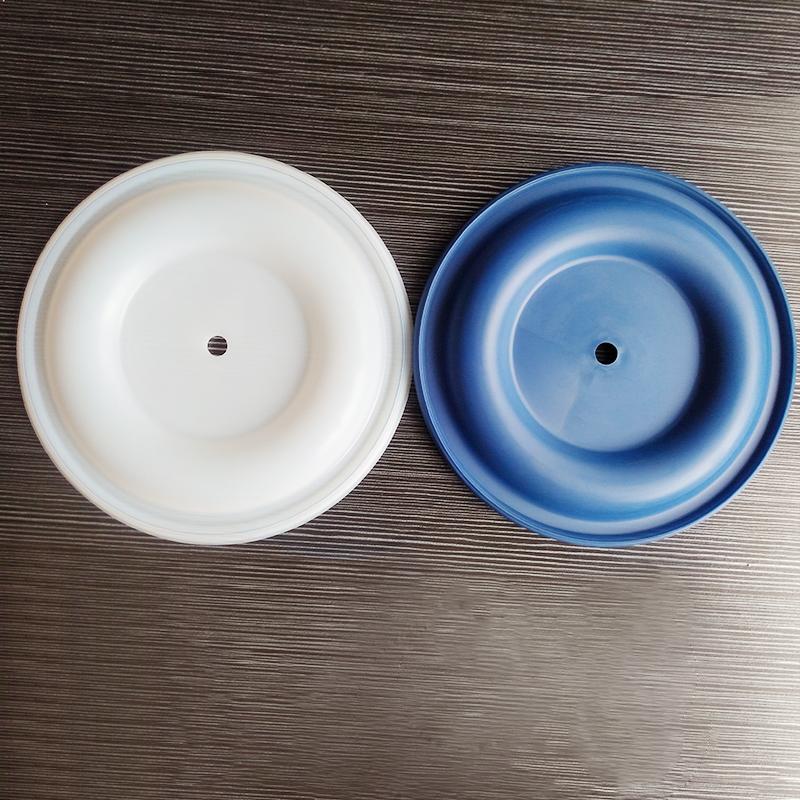
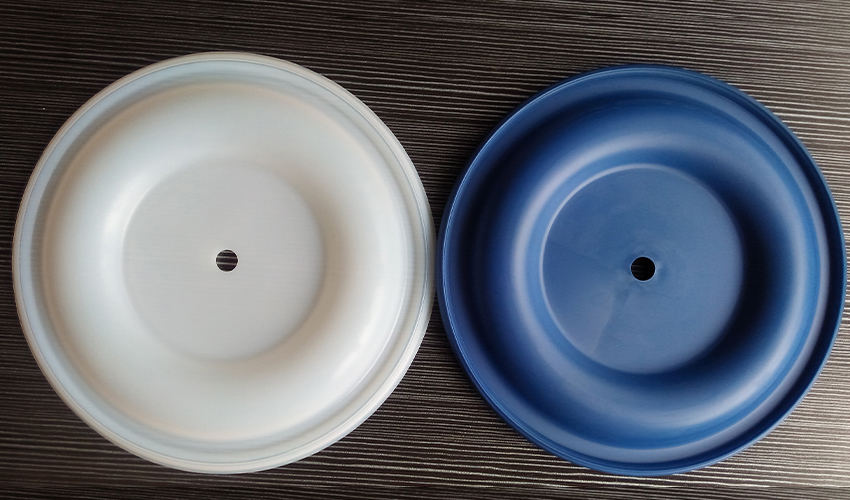
Diaphragm materials are Teflon (PTFE), Viton, Buna-n, Neoprene, Santoprene, EPDM, ect. Made of imported material, the diaphragm stress of air operated diaphragm pump is reduced to the minimum, and the service life is extended.
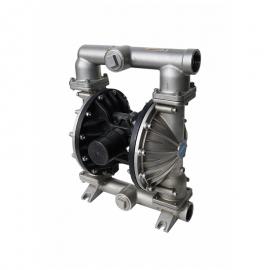
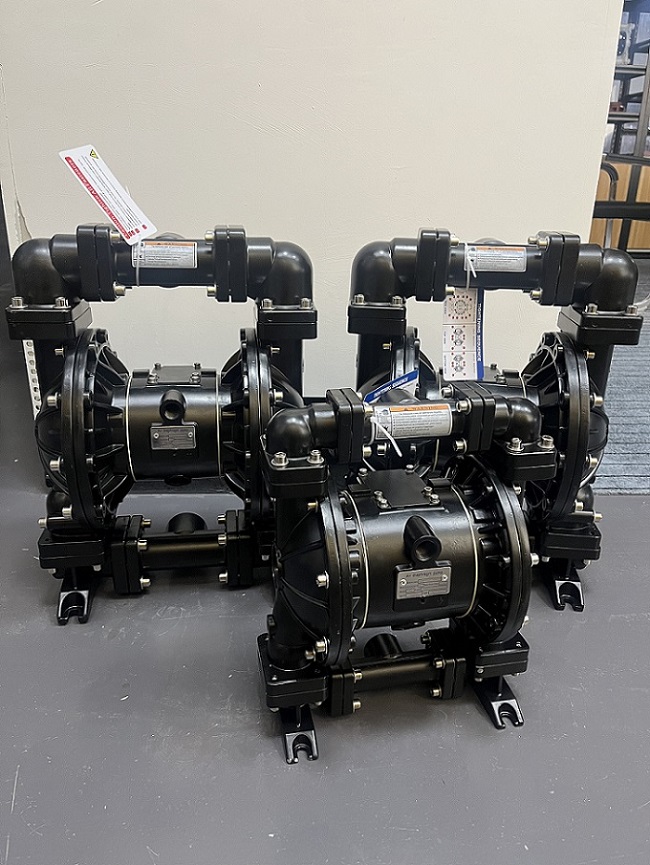
3Inch Air membrane pump with high capacity, metal material body good using for mining industry. The air pump has the good self priming function with dry priming and wet priming.
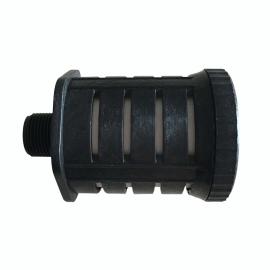
The pump body installed with muffler, the delivery head and flow can pass the pneumatic valve open to realize the step less adjustment, Effectively reduce air duct noise.
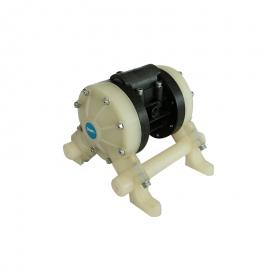
PVDF 1/2 inch plastic pneumatic diaphragm pump is a AOK15 PVDF pneumatic diaphragm pump with excellent characteristics. The PVDF pneumatic diaphragm pump not only has good chemical corrosion resistance, The PVDF mini air pump for chemical liquid also has high temperature resistance, oxidation resistance, weather resistance and other characteristics.
AOK40 PVDF pneumatic diaphragm pump powered by compressed air, when the 1.5 Inch Compressor Air Diaphragm Pump exhaust is an expansion endothermic process. And the AOK40 PVDF self priming pneumatic duplex diaphragm pump working temperature is reduced, no harmful gas discharge.
2 inch AOE high performance air operated diaphragm pump can be used according to different liquid medium different materials, in order to meet the needs of different users.
80mm plastic irrigation pneumatic duplex diaphragm pump pumping liquid medium is not only the flow of liquid, but also can transport some not easy to flow of liquid medium, 3 inch Polypropylene air driven diaphragm pump has self-priming pump, mud pump, impurities pump and other comprehensive advantages.
AOK06/10 PVDF air operated diaphragm pump is a kind of 1/4 Inch standard pneumatic diaphragm pump using a new piezoelectric polymer material. The PVDF vacuum pump diaphragm is not only small density light weight, but also good flexibility, and has good chemical stability.
The role of connecting rod is to connect the piston and the crankshaft, so that the reciprocating linear motion of the piston into the rotary motion of the crank, in order to output power.